
 | |  | |  | |  | |  |

 |
| |
 |
| |
 |
| |
 |
| |
 |
| |
 |
| |
 |
| |
 |
| |
 |
| Beaver Creek Resort |
| Old Beaver Creek Trail Maps: |


| 1980-81 |
| 1987-88 |
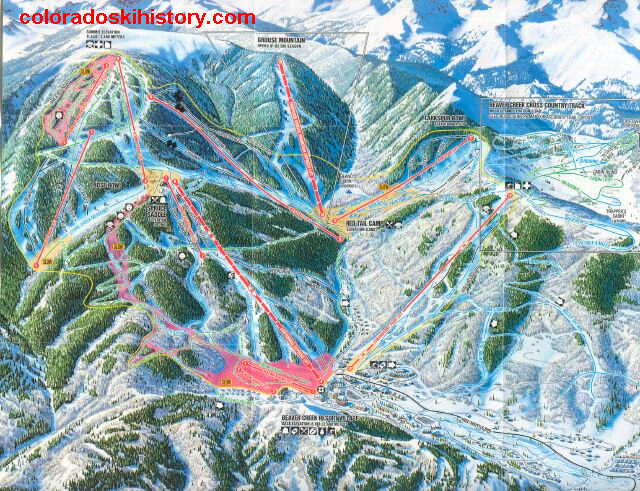
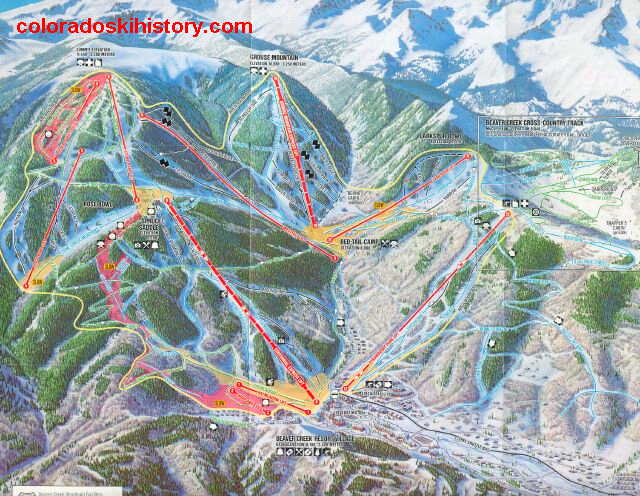
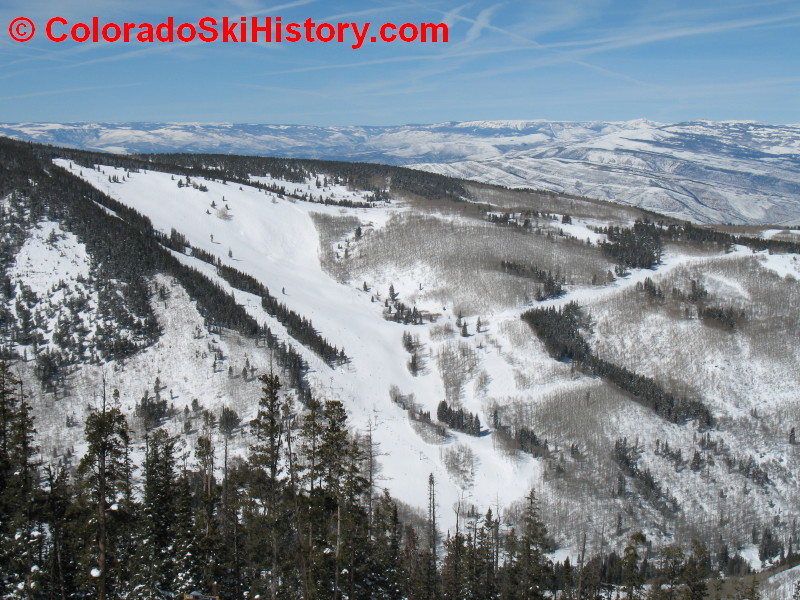
| The Larkspur Bowl with the main mountain on the right |
| 1988-89 |
| 1992-93 |
| Resort History: |
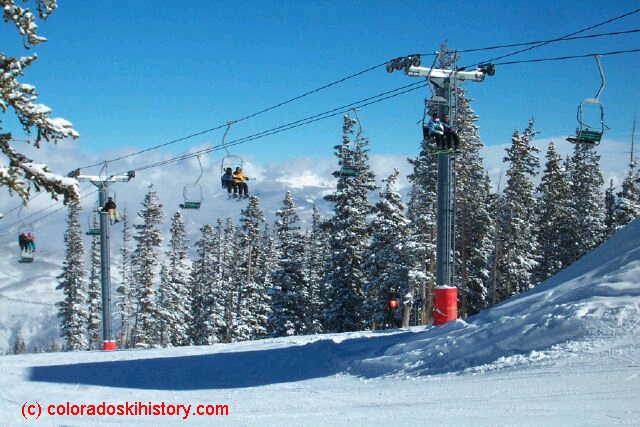
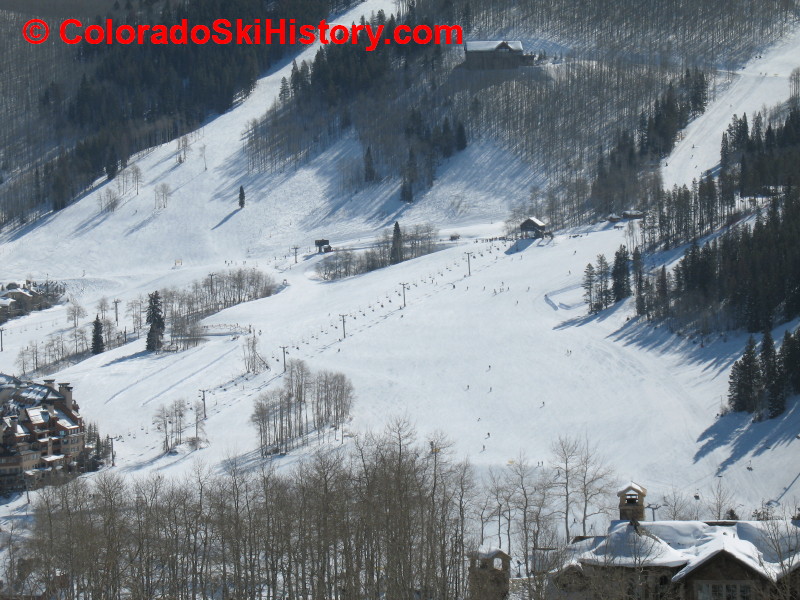
| The Drink of Water lift serves as an excellent beginner area. |
| Spring Skiing at Arrowhead |
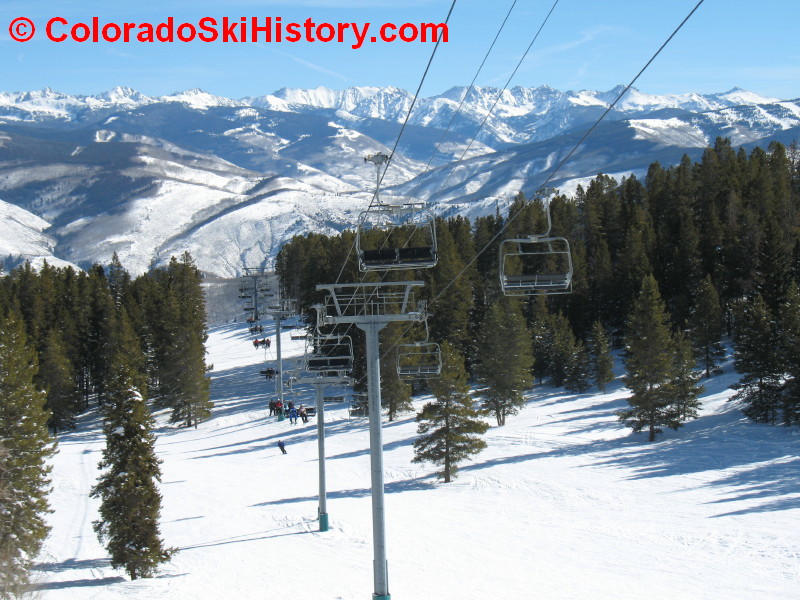
| The new Larkspur Express |
| Bachelor Gulch |
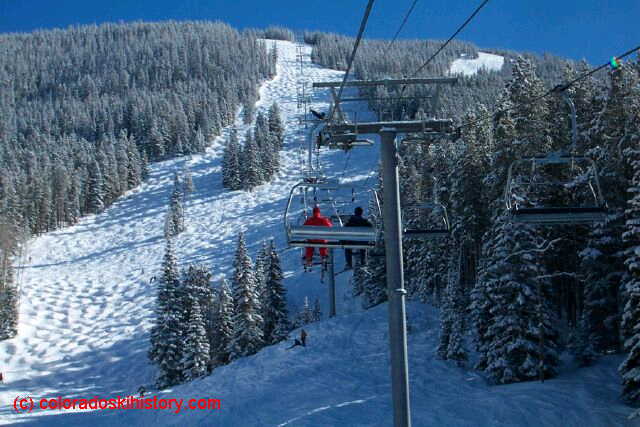
| The Birds of Prey Express. |
| Strawberry Park |
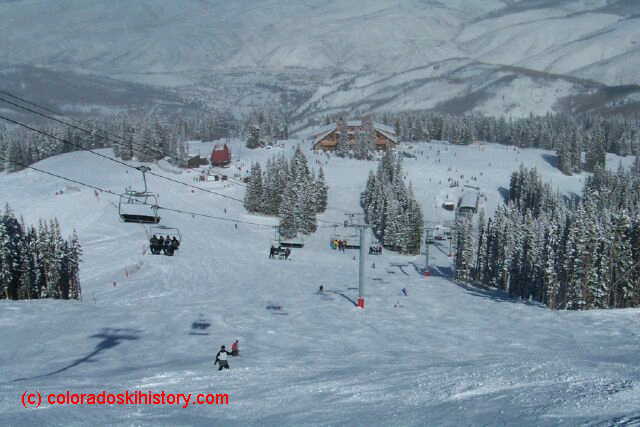
| Looking down at mid-mountain |
| Current Resort Stats: * |

| Arrowhead Ski Area |
| Pros and Cons to Skiing Here: |
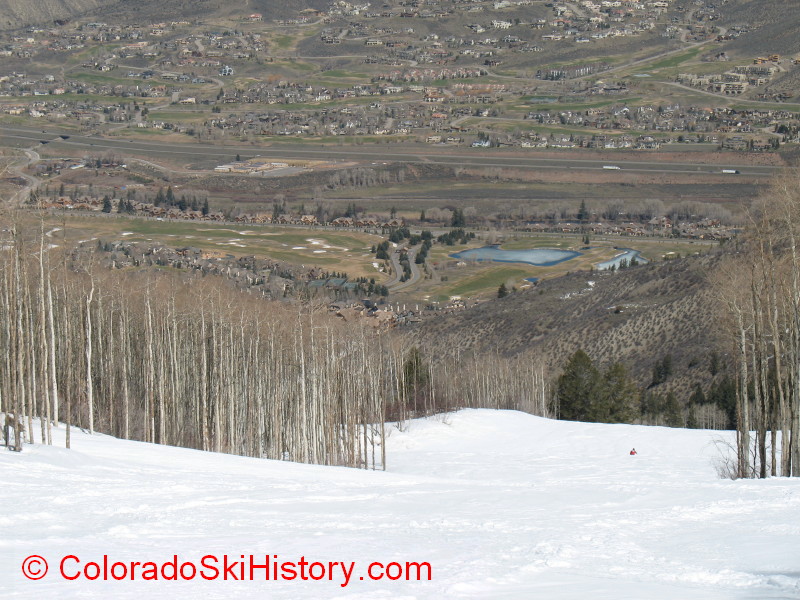
| Overlooking Lower B.C. |
|
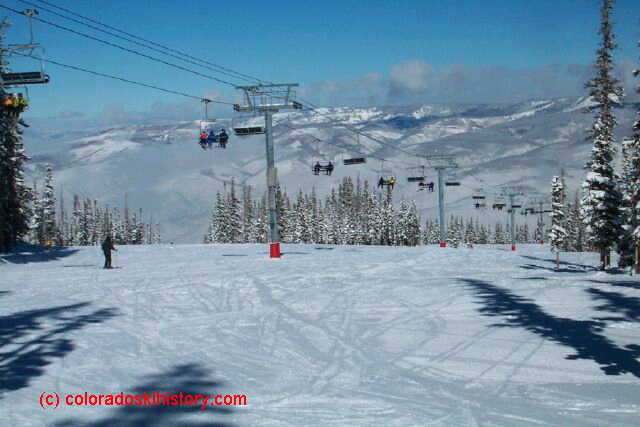
| Great beginner terrain is located off of the Cinch Express at the summit of the mountain. |
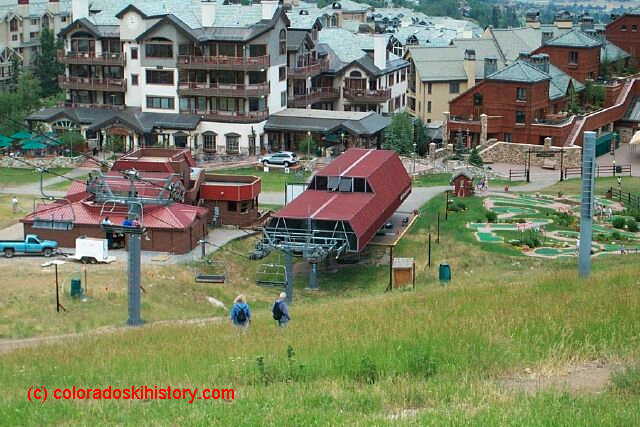
| Beaver Creek operates during the summer months with the Centennial Express. Activities include biking, hiking and base area games. |
| Copyright © coloradoskihistory.com All Rights Reserved. *Resort Stats Current for 2009-10 Sources: The Colorado Ski Museum Picture Credits: Brad C. |
| Insider Tips to Skiing Here: |

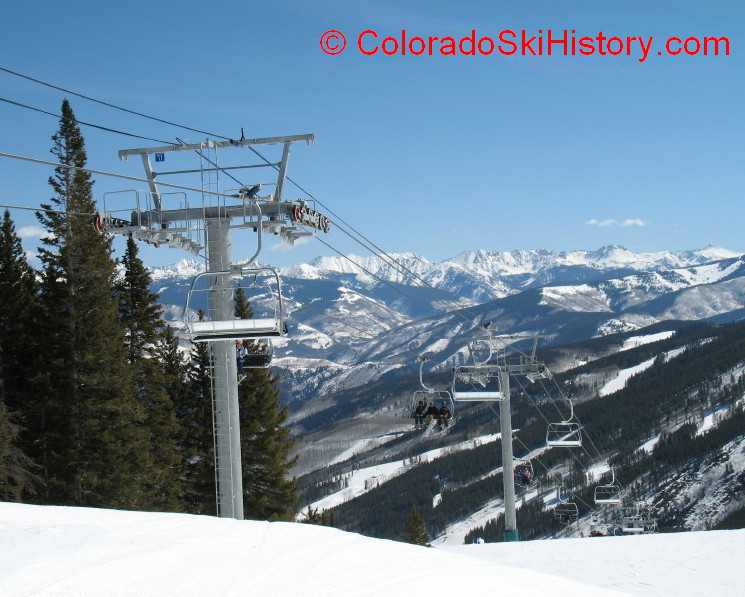
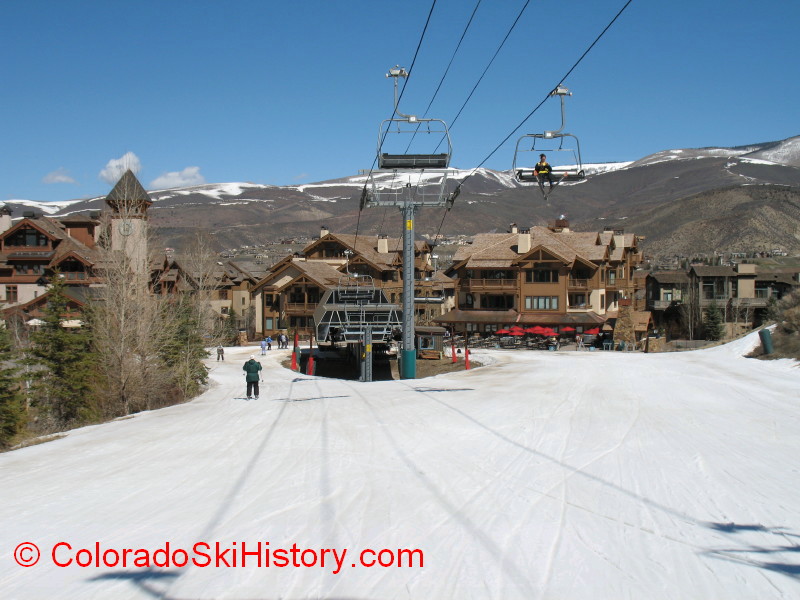
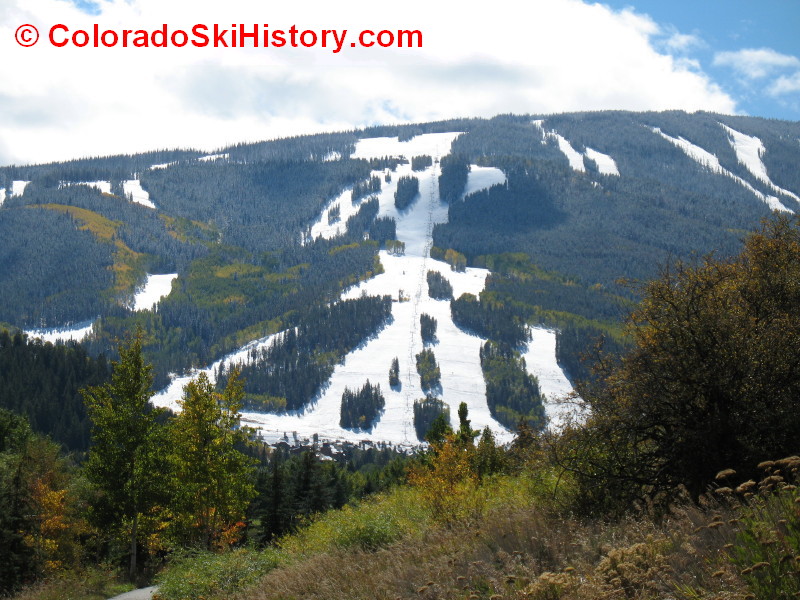
| Grouse Mountain |
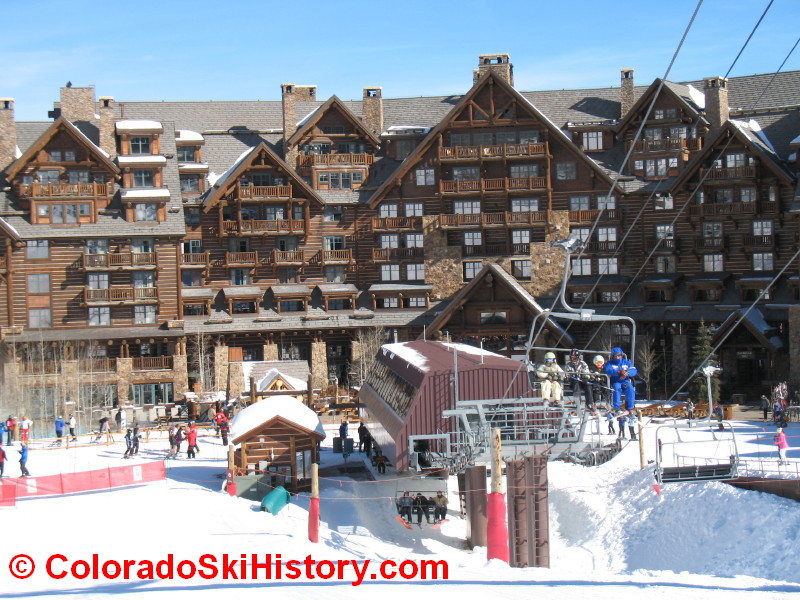
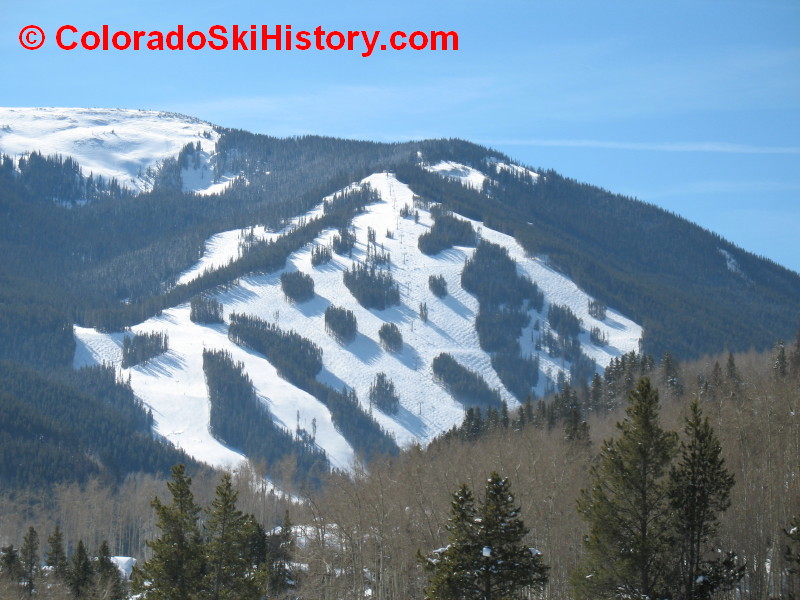

| 1982-83 |

The idea of building a new ski resort in the Beaver and McCoy Creek areas came about in 1956, when Earl Eaton and John Burke discussed future possibilities. At this time, Vail was about five years from opening.
Talks for a ski area on this site became more plausible when Denver won the bid for the 1976 Winter Olympics. Alternative sites to host Olympic events included Mount Sniktau near Loveland Valley and Copper Mountain.
The Forest Service conducted a land use analysis in 1972 to determine if the Beaver Creek drainage could host a ski area. The report, overseen by Ed Browning, the District Ranger, concluded that the area was "good to outstanding" for skiing potential. By February of the same year, the Olympic Committee decided that Beaver Creek would hold the alpine events. This prompted Vail Associates to file for a new ski area permit with the Forest Service.
To the world's surprise, Denver voters turned down their successful bid by a margin of 3 to 2 with ballot "Initiative #8." The movement against the Winter Games was lead by State Representatives Dick Lamm (who would become governor in 1975) and Bob Jackson. Their stance was against development of the Front Range, which they thought would be inevitable if the Olympics came to town. A Denver newspaper said Vail Associates were, "Up the creek without a permit." Having the Olympics skip town was almost fatal to the development of this resort. After a few years of persistence, Vail was awarded a special use permit on March 22, 1976.
The Environmental Impact Statement (EIS) for Beaver Creek was released and approved by the U.S. Forest Service later that year. It did not go unnoticed. Statements from local people read, "We're getting another ski area and we're getting it with the blessing of Colorado's biggest and most ruthless land developer, the U.S. Forest Service."Colorado's political environment at the time also did not favor the resort. Just hours before leaving office, Governor Vanderhoof signed the state approval documents allowing the development of Beaver Creek to begin. As Governor Lamm entered the position he stated he would block all development even if approved by the U.S. Forest Service. This measure was also supported by the Sierra Club.
After reviewing the concerns of the governor, the Forest Service (F.S.) decided there were no grounds for delaying construction of the resort. The special use permit granted by the F.S. allowed 2,775 acres of public land with 2,200 acres for private land for the resort. On July 28, 1977, the ground breaking ceremonies began. Former President Gerald Ford and Vail Associates president Jack Marshall attended the celebrations. Having construction work begin was a large obstacle because no ski area had been challenged as aggressively as Beaver Creek to date.
Initial plans for the resort included a 2.5 mile access road from Interstate 70, 6 chairlifts, and a base village. The area was meant to serve around 3,000 skiers per day, with final development of about 15 lifts serving 7,500 skiers each day.
Beaver Creek opened on December 15, 1980 with new 6 Doppelmayr chairlifts and a temporary base lodge. Costs for development ranged in the neighborhood of about 300 million dollars. The decade of the 1980's led to much growth for the resort. The following ski season the Larkspur Bowl opened, providing skiers with expert mogul runs as well as wide open intermediate terrain. Beaver Creek invested in the new high-speed lift technology the same year as Vail. In 1986, they purchased a new Doppelmayr lift and named it the Centennial Express. This vastly improved access from the village to mid mountain. During 1989, the World Ski Championship came to Beaver Creek. This was the first time the resort attracted a major racing event since its loss of the Olympic bid in the 1970's.
During the 1990's Beaver Creek continued to upgrade lifts and expand new terrain. Grouse Mountain opened in 1991 with the addition of a CTEC high-speed quad chair. The Bachelor Gulch development, which included another quad chair, new ski-in houses, and a hotel greeted skiers and riders in 1997. During this year, Beaver Creek connected with the Arrowhead Ski Area. It was originally purchased during the 1993 season. In 1999, Vail and Beaver Creek hosted the World Alpine Ski Championships. They were held on the newly completed Birds of Prey downhill course and on the Giant Steps course at Vail.
Recently, Beaver Creek continued upgrading their facilities. During the summer of 2003, a new Doppelmayr CTEC high-speed quad chair was installed replacing the old Westfall lift. The new chair now provides better access to the Birds of Prey downhill course. The following year, the Beaver Creek Mountain lifts were installed to US Highway 6. For summer 2005, the Larkspur lift was upgraded to a high-speed quad. This new lift now provides better access to Strawberry Park and the Larkspur area. It is also a Doppelmayr CTEC lift.To provide better access to the new River Front hotel in Avon, the ski area constructed a high-speed gondola during summer of 2007. ;This completes the chairlift link to valley. A second gondola also replaced the original Heymeadow double chair. The gondola is expected to improve beginner skiers comfort levels on ski lifts.
Talks for a ski area on this site became more plausible when Denver won the bid for the 1976 Winter Olympics. Alternative sites to host Olympic events included Mount Sniktau near Loveland Valley and Copper Mountain.
The Forest Service conducted a land use analysis in 1972 to determine if the Beaver Creek drainage could host a ski area. The report, overseen by Ed Browning, the District Ranger, concluded that the area was "good to outstanding" for skiing potential. By February of the same year, the Olympic Committee decided that Beaver Creek would hold the alpine events. This prompted Vail Associates to file for a new ski area permit with the Forest Service.
To the world's surprise, Denver voters turned down their successful bid by a margin of 3 to 2 with ballot "Initiative #8." The movement against the Winter Games was lead by State Representatives Dick Lamm (who would become governor in 1975) and Bob Jackson. Their stance was against development of the Front Range, which they thought would be inevitable if the Olympics came to town. A Denver newspaper said Vail Associates were, "Up the creek without a permit." Having the Olympics skip town was almost fatal to the development of this resort. After a few years of persistence, Vail was awarded a special use permit on March 22, 1976.
The Environmental Impact Statement (EIS) for Beaver Creek was released and approved by the U.S. Forest Service later that year. It did not go unnoticed. Statements from local people read, "We're getting another ski area and we're getting it with the blessing of Colorado's biggest and most ruthless land developer, the U.S. Forest Service."Colorado's political environment at the time also did not favor the resort. Just hours before leaving office, Governor Vanderhoof signed the state approval documents allowing the development of Beaver Creek to begin. As Governor Lamm entered the position he stated he would block all development even if approved by the U.S. Forest Service. This measure was also supported by the Sierra Club.
After reviewing the concerns of the governor, the Forest Service (F.S.) decided there were no grounds for delaying construction of the resort. The special use permit granted by the F.S. allowed 2,775 acres of public land with 2,200 acres for private land for the resort. On July 28, 1977, the ground breaking ceremonies began. Former President Gerald Ford and Vail Associates president Jack Marshall attended the celebrations. Having construction work begin was a large obstacle because no ski area had been challenged as aggressively as Beaver Creek to date.
Initial plans for the resort included a 2.5 mile access road from Interstate 70, 6 chairlifts, and a base village. The area was meant to serve around 3,000 skiers per day, with final development of about 15 lifts serving 7,500 skiers each day.
Beaver Creek opened on December 15, 1980 with new 6 Doppelmayr chairlifts and a temporary base lodge. Costs for development ranged in the neighborhood of about 300 million dollars. The decade of the 1980's led to much growth for the resort. The following ski season the Larkspur Bowl opened, providing skiers with expert mogul runs as well as wide open intermediate terrain. Beaver Creek invested in the new high-speed lift technology the same year as Vail. In 1986, they purchased a new Doppelmayr lift and named it the Centennial Express. This vastly improved access from the village to mid mountain. During 1989, the World Ski Championship came to Beaver Creek. This was the first time the resort attracted a major racing event since its loss of the Olympic bid in the 1970's.
During the 1990's Beaver Creek continued to upgrade lifts and expand new terrain. Grouse Mountain opened in 1991 with the addition of a CTEC high-speed quad chair. The Bachelor Gulch development, which included another quad chair, new ski-in houses, and a hotel greeted skiers and riders in 1997. During this year, Beaver Creek connected with the Arrowhead Ski Area. It was originally purchased during the 1993 season. In 1999, Vail and Beaver Creek hosted the World Alpine Ski Championships. They were held on the newly completed Birds of Prey downhill course and on the Giant Steps course at Vail.
Recently, Beaver Creek continued upgrading their facilities. During the summer of 2003, a new Doppelmayr CTEC high-speed quad chair was installed replacing the old Westfall lift. The new chair now provides better access to the Birds of Prey downhill course. The following year, the Beaver Creek Mountain lifts were installed to US Highway 6. For summer 2005, the Larkspur lift was upgraded to a high-speed quad. This new lift now provides better access to Strawberry Park and the Larkspur area. It is also a Doppelmayr CTEC lift.To provide better access to the new River Front hotel in Avon, the ski area constructed a high-speed gondola during summer of 2007. ;This completes the chairlift link to valley. A second gondola also replaced the original Heymeadow double chair. The gondola is expected to improve beginner skiers comfort levels on ski lifts.